
QureMed – Long Acting Relief for the Toughest Migraines
We are developing a minimally invasive treatment for people whose migraines don't respond to standard medications.
We are developing a minimally invasive treatment for people whose migraines don't respond to standard medications.
When migraine becomes a way of life
Most people think of migraine as an occasional bad headache. For the patients we focus on, migraine is almost a full-time job—headache on 15 or more days a month despite trying all the usual drugs. That's chronic, refractory, disabling migraine. These patients can't reliably work, parent, or live day-to-day.
Some also suffer status migrainosus—a migraine attack that simply doesn't switch off. It's like a pain alarm stuck in the “on” position for days, even after emergency-room visits and IV medications.
These are the patients the current system has run out of answers for. QureMed exists to change that.
QureMed's therapy is investigational and not yet approved for routine clinical use.
A new way to calm migraine pain at its source
QureMed is developing a procedure-based, minimally invasive therapy delivered through the blood vessels of the head. The goal is simple:
Our work builds on a decade of experience showing that targeted, catheter-based approaches can help shut down otherwise untreatable headache attacks. QureMed's mission is to translate that insight into a standardized, long-acting treatment option for the sickest migraine patients.
A concept with growing clinical momentum
Over the past several years:
QureMed is building on this foundation with a structured preclinical and clinical development program.
Designed to integrate, not disrupt
Because our therapy is delivered through the vasculature, it is intended to:
For hospitals and payers, the potential value lies in:
Where we are
QureMed's migraine program is currently in preclinical and regulatory planning, with future steps that include:
In carefully selected patients
To measure impact on healthcare utilization and patient outcomes
Built by physicians and builders who live in this space
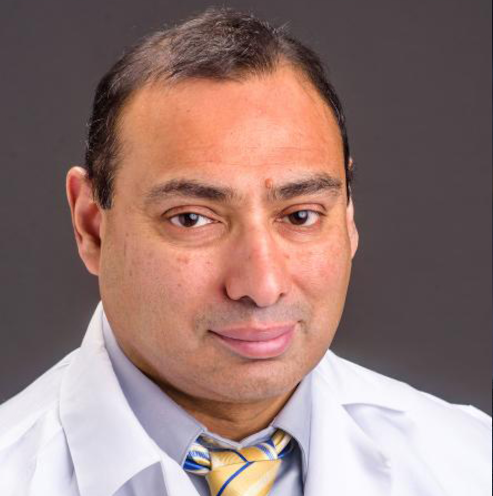
An internationally recognized stroke neurologist and neurointerventional researcher, a professor who has led major stroke programs and trials that helped shape AHA and ASA guidelines.

A neuro-intervention-focused clinician and builder, driving product design and execution.

Triple board-certified in neurology, vascular neurology, and neuroendovascular surgery. He leads the Neuroscience Department at Valley Baptist Medical Center, is a professor at UT Rio Grande Valley, and is the immediate past president of the Society of Vascular and Interventional Neurology, connecting us to interventionalists worldwide.
If you are interested in learning more about QureMed's migraine program or exploring collaboration:
Get in touch with the QureMed team